
Boudoir Posing Tips for First-Timers Who Have No Idea What They're Doing
You're never handed a list and left to figure it out
What posing actually looks like, category by category
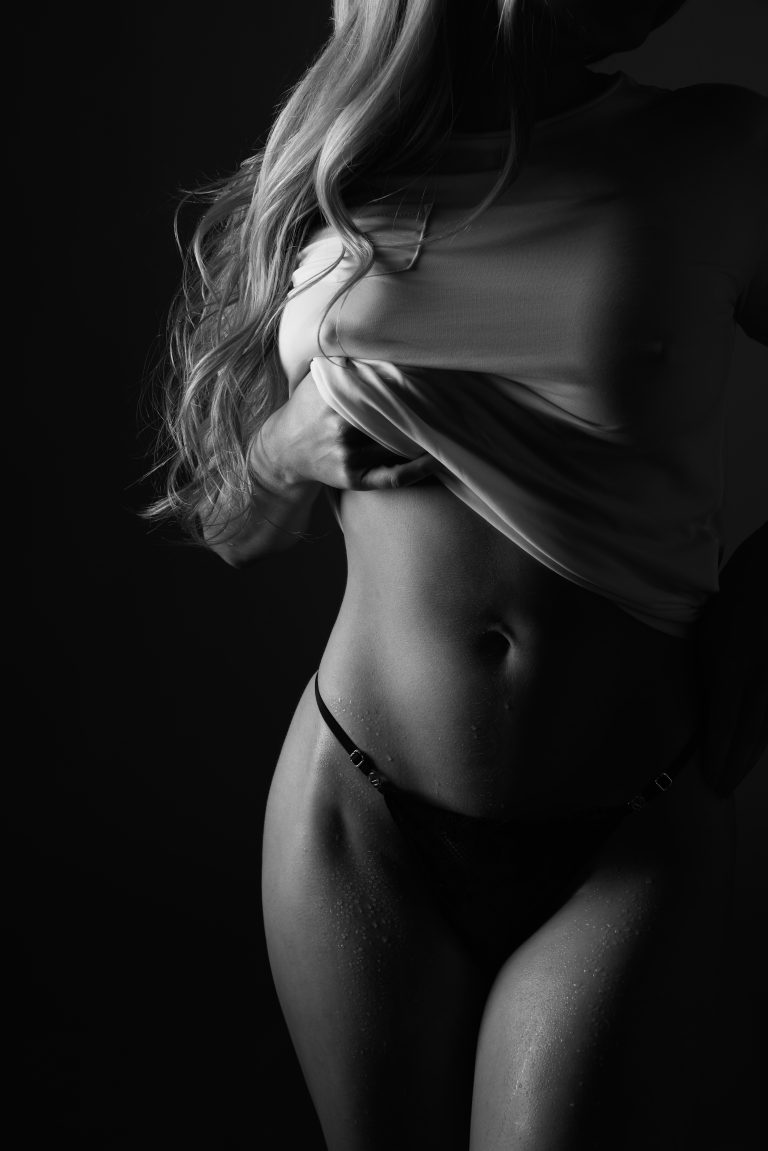
Standing poses. These usually come first, while you’re still warming up. Small things make the biggest difference here: weight on your back leg rather than centered, a slight turn away from the camera rather than facing it head-on, shoulders down and back rather than hunched toward your ears.
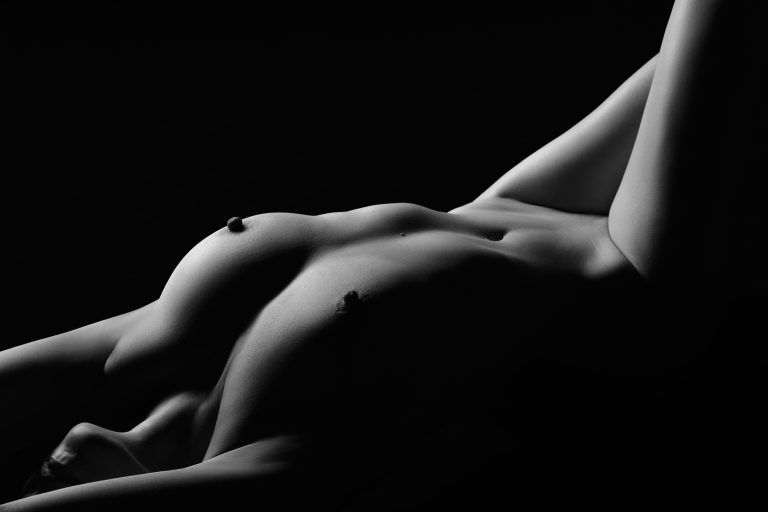
Seated and lounging poses. This is where most of a session lives. On a bed, a chaise, the floor, wherever the set calls for. The goal is always to create long lines, an elongated leg, a curved spine, rather than a flat, symmetrical shape. This is also where hand placement gets the most attention. Relaxed fingers, never a tight fist, resting rather than gripping.
Close-up and detail shots. Hands on collarbone, fingers in hair, a hand resting on a thigh. Small, quiet moments that fill out a gallery and photograph very differently from a full-body pose.
Boudoir Posing tips
the adjustments that make the biggest difference
CHIN FORWARD AND SLIGHTLY DOWN, NOT TUCKED.
This is the single most common correction in any portrait session, boudoir included. It defines the jawline instead of creating a double chin from the wrong angle.
RELAX YOUR HANDS
Tension shows up in fingers before it shows up anywhere else. A soft hand reads as confident. A tight one reads as nervous, even if you don’t feel nervous..
EXHALE BEFORE THE SHUTTER CLICKS
Held breath tenses the shoulders and stomach. A slow exhale right before the photo softens everything.
MICRO-ADJUSTMENTS OVER BIG CHANGES
Most of what happens between shots is tiny: two inches of hip shift, a slightly different head tilt. You won’t be asked to hold anything uncomfortable for long.
Boudoir posing tips
If you still feel stiff or awkward, that's normal
Almost everyone does for the first ten minutes. It passes. Part of my job, and my team’s, is reading the room and adjusting the pace. If a pose isn’t landing, we change it. If you need a minute, we take it. Nobody leaves a session because they “couldn’t pose.” That’s not a real outcome here.
frequently asked questions
What to expect at a boudoir photoshoo
Do I need any experience to pose for a boudoir shoot?
No. The vast majority of clients have never done a professional photo shoot of any kind. Every pose is demonstrated and adjusted for you in the moment, there’s nothing to prepare or practice beforehand. Check out our boudoir experience guide.
What if I genuinely don't know how to pose at all?
That’s totally normal, not the exception. You’ll be guided through every single pose, one small adjustment at a time, rather than handed a list of poses to figure out on your own.
Can I bring reference photos or poses I like?
What if I feel stiff or awkward in front of the camera?
Will someone actually show me the pose, or just tell me?
Both. Poses are demonstrated by me in person, then refined with hands-on adjustments like a hand placement or a shift in weight. You’re never left guessing. I will take care of you.